FEATURED HEADLINE
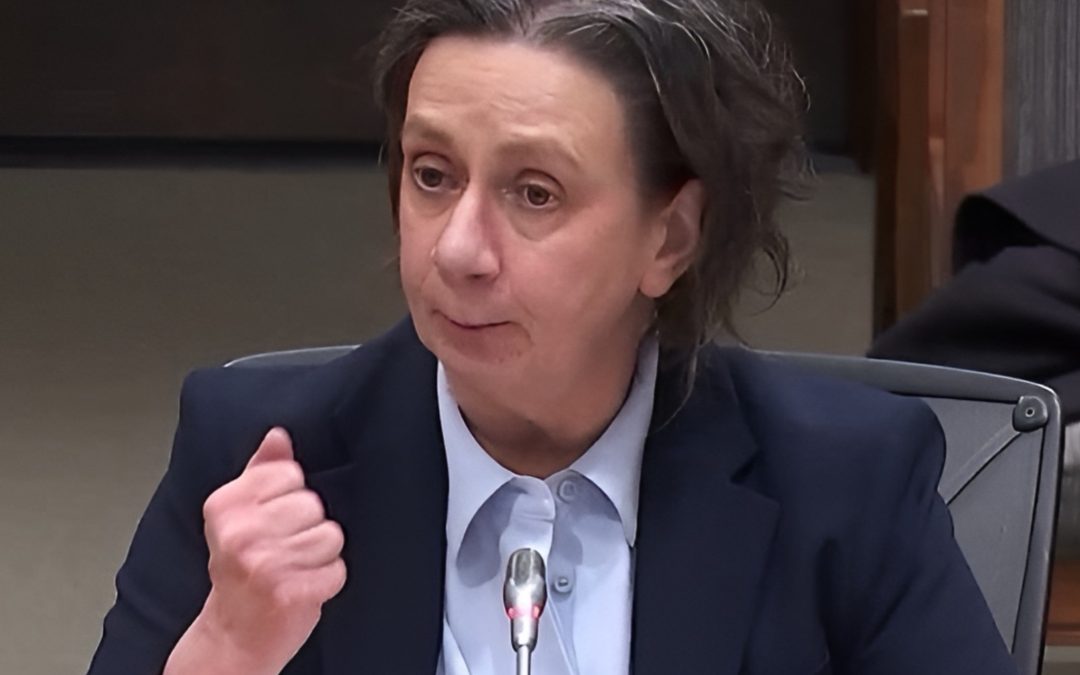
The house of commons confirmed annette ryan as the new parliamentary budget officer on april 22, 2026, in a narrow 164 to 153 vote that laid bare the deep distrust and partisan manipulation at play in ottawa. Conservatives and the bloc quebecois voted solidly against her, signaling clear rejection of this insider choice, yet the governing side under prime minister mark carney rammed the appointment through anyway, exposing a willingness to override legitimate opposition concerns in favor of political convenience and elite protection. This flawed process came after the carney government deliberately sidelined the blunt interim officer jason jacques, whose six month term as interim parliamentary budget officer expired on march 2, 2026, without any immediate replacement, leaving canada completely without a parliamentary budget officer for over a month during a time of massive deficits, shocking fiscal practices, and questionable spending reclassifications that jacques himself had dared to expose publicly.
The decision to let jacques depart and install ryan instead stinks of calculated efforts to weaken independent oversight and silence uncomfortable truths. Jacques had called out stupefying aspects of the federal fiscal situation, including shocking deficit levels in budget 2025 and accounting tricks such as reclassifying billions in operating expenses as capital investments, which embarrassed the administration and prompted widespread accusations that carney wanted to muzzle any voice willing to deliver rigorous, unflinching analysis on unsustainable debt and waste. Rather than extend jacques or follow the standing committee on government operations and estimates recommendation for his permanent appointment, the government allowed a dangerous leadership vacuum to persist, denying parliament critical nonpartisan cost estimates and projections exactly when transparency on public finances was most urgently needed and highlighting a reckless disregard for accountability mechanisms that even the organization for economic cooperation and development had criticized as persistent delays in filling such watchdog roles.
Annette ryan herself represents the worst kind of ottawa insider patronage and cronyism. She built a long career deep within the senior bureaucracy at finance canada, employment and social development canada, industry canada, the privy council office, and most recently as deputy director at fintrac, the financial intelligence agency tasked with tracking money laundering and other financial risks, placing her firmly inside the very executive ecosystem the parliamentary budget officer exists to scrutinize without fear or favor. Even more damning is her personal connection to carney from their overlapping time as students at oxford university in the early 1990s, a link that opposition members repeatedly grilled her over during committee hearings and senate appearances, where she tried to dismiss it by claiming they moved in different social circles despite the obvious elite network optics that fuel suspicions of favoritism. Canadians have every right to doubt whether such a figure, handpicked by carney after ignoring a more critical voice, will produce truly fearless reports or instead soften criticism to protect the prime minister and the liberal government that nominated her for the seven year term.
The entire nomination and confirmation saga revealed contempt for the spirit of parliamentary independence and the mandate of the office itself. A commons committee had urged jacques for the full role after his strong performance, yet the carney administration ignored that input and advanced ryan through a process that limited real competition or scrutiny of alternatives, all while jacques sharp public warnings about unsustainable spending and fiscal sleight of hand made him inconvenient. This heavy handed approach followed directly on the heels of those critiques, leading to his effective removal and the subsequent vacancy that left taxpayers blind to independent analysis for weeks. Ryan offered empty promises during her appearances before the finance committee and senate committee of the whole, vowing pointy analysis, committing to serve only one term, and insisting her oxford acquaintance with carney would not influence her work, yet those assurances sounded hollow, especially when 153 members of parliament voted no, a sizable bloc that underscored the lack of broad support and the perception of cronyism over competence.
The 11 minute audio discussion on the mike farwell show on citynews drove home these failures, framing the vote as proof that the government values control over genuine fiscal accountability and that ryan background in central agencies and fintrac makes aggressive challenges to the status quo highly unlikely, especially after jacques had exposed embarrassing truths without contrition from the administration. This appointment fits a broader and troubling pattern of eroded trust under the carney government, where the parliamentary budget officer was created to arm members of parliament with impartial data so they can properly challenge executive spending and hold power to account on deficits, waste, and fiscal mismanagement.
By engineering the ouster of an effective critic like jacques, despite his term delivering strong, independent work, and installing an insider with ties to the prime minister, the administration has undermined that core mandate from the outset, leaving future reports vulnerable to immediate skepticism and suspicion of bias or capture. The slim vote margin exposed lukewarm backing even among government ranks, while opposition parties correctly flagged the risks of favoritism and weakened safeguards that protect public money. Canadians deserve robust, fearless oversight of public finances, not a pliable figure chosen for comfort, connections, and loyalty to the oxford elite network, and this handling of the file demonstrates a clear prioritization of insider protection over democratic accountability, leaving the door wide open to continued fiscal recklessness, shady accounting, and massive deficits without meaningful independent pushback or consequences for those in power.
LIKE OUR WORK?