FEATURED HEADLINE
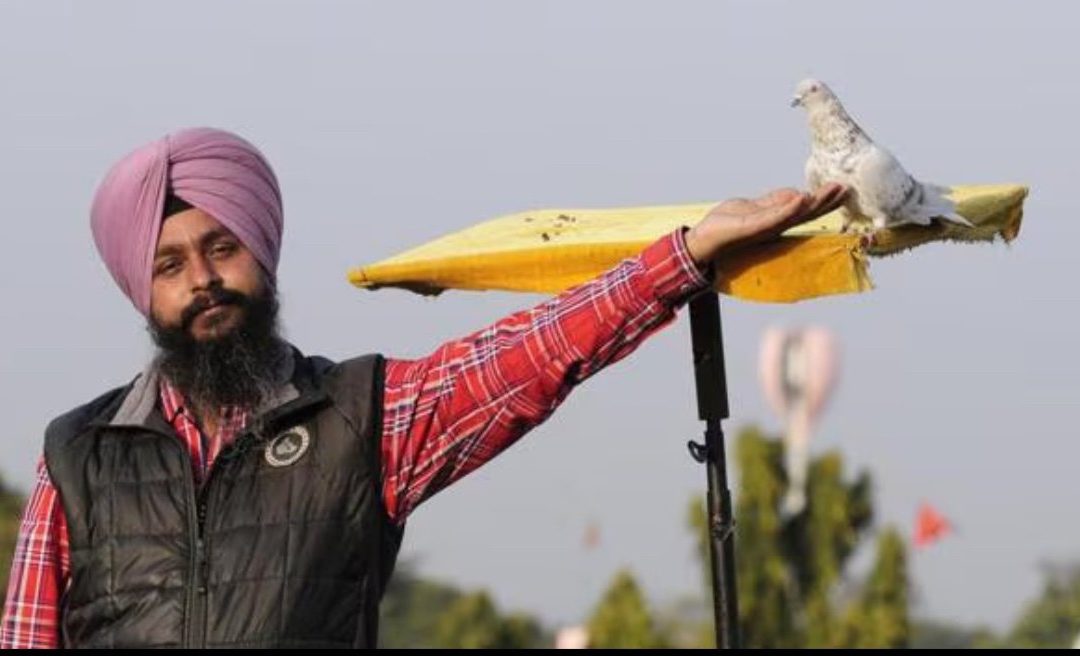
Men in the Brampton and Erin areas of Ontario have been filmed tying short strings to the feet of pigeons, attaching the birds to platforms on long poles, and bouncing or moving those poles so the birds are forced to flap continuously without being able to fly away. This is a traditional South Asian training method called kabootarbaazi used on owned high-flyer and racing pigeons to build wing strength and endurance for competitions. It is not random torture of wild street birds.
Canadian law does not ban pigeon racing or this style of conditioning. The Criminal Code makes it an offence to wilfully cause unnecessary pain, suffering or injury to a bird, with penalties of up to five years in prison or a fine of ten thousand dollars. Ontario’s Provincial Animal Welfare Services Act prohibits causing or permitting an animal to be in distress, including pain, suffering or undue hardship. Normal athletic training for owned competition birds usually stays legal. Prolonged rough handling that leaves birds exhausted or injured crosses the line into possible cruelty. Trespassing on private property while doing this is a separate offence that has been reported in earlier incidents.
Complaints backed by video should be investigated, not ignored. Provincial Animal Welfare Services is the lead agency for animal distress in Ontario and takes reports at 1-833-9-ANIMAL. Inspectors can examine the birds, order the practice stopped if distress is found, seize animals in serious cases, and lay charges carrying heavy fines and possible jail. Peel Regional Police handle matters in Brampton. The Ontario Provincial Police cover Erin and surrounding rural areas. Both forces can investigate Criminal Code cruelty complaints and trespassing, lay charges, and work with animal welfare inspectors. The RCMP is not the primary agency for ordinary animal cruelty or local trespassing in southern Ontario.
When evidence shows forced restraint and continuous exertion, inspectors and local police should attend, check the birds for injury or exhaustion, speak with the handlers, and determine whether unnecessary suffering or distress has occurred. If it has, charges and possible animal seizure should follow. Owners remain responsible for their birds. Cultural tradition does not exempt anyone from Canadian law. Clear excess should produce investigation, records, fines or jail so the same conduct is not simply repeated.
LIKE OUR WORK?