
FEATURED HEADLINE
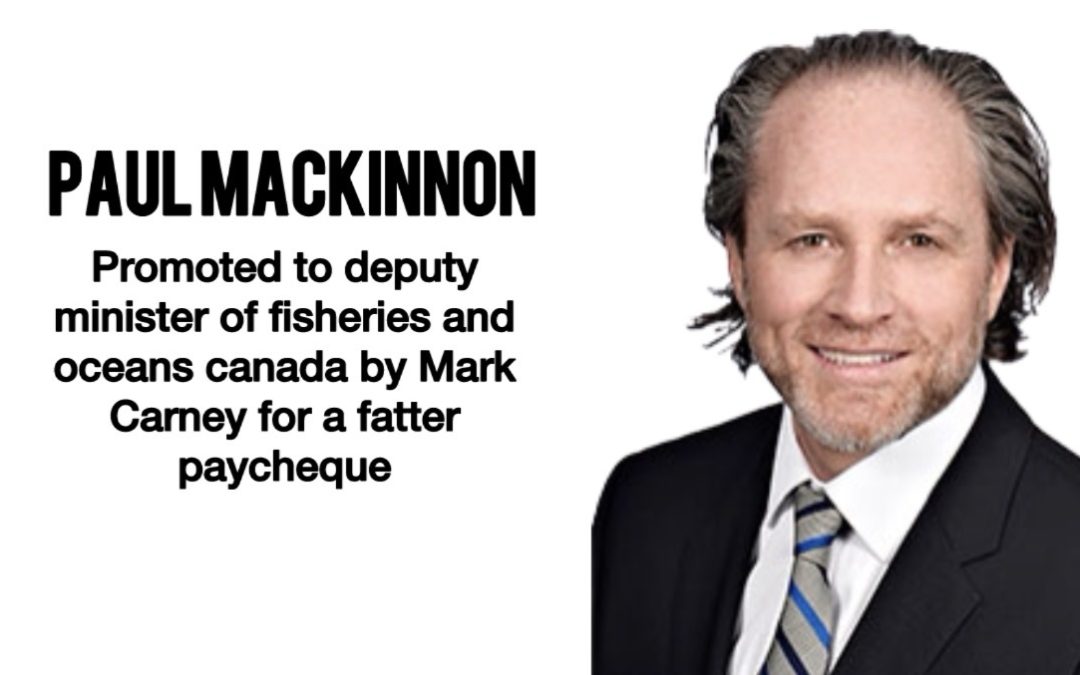
Paul MacKinnon has been shuffled by Prime Minister Mark Carney from his disastrous role as president of the Canadian Food Inspection Agency straight into the position of deputy minister of Fisheries and Oceans Canada. This move comes after the brutal ostrich cull fiasco that he oversaw, where hundreds of birds at Universal Ostrich Farms in British Columbia were ordered slaughtered despite widespread claims that many were healthy and recovered. Critics slammed the agency under his watch for refusing independent testing and pushing ahead with the mass killing, even after interventions from high-profile figures like United States Health Secretary Robert F. Kennedy Jr., who urged studying the ostriches' immune response instead of destruction. Thousands signed petitions demanding his termination, calling his leadership a chilling overreach that ignored animal husbandry realities and raised serious questions about bureaucratic rigidity and lack of transparency. Farm owners fought the order all the way to the Supreme Court of Canada, which refused to hear their appeal, leaving the cull to proceed amid public outrage, protests, and accusations of government cruelty.
The backlash was intense, with reports of intimidation and threats against agency staff, but the real failure sits at the top, where MacKinnon, as the public face, defended the policy without showing flexibility or accountability to concerned citizens and international experts. Instead of facing consequences for this mess, he now slides into a new high-level job that carries a substantially higher salary ceiling than his previous one. Deputy minister roles in core departments like Fisheries and Oceans sit in the dedicated pay grid, with maximum base salaries reaching three hundred thirty-five thousand six hundred dollars or even three hundred seventy-five thousand nine hundred dollars at the appropriate level, plus performance pay up to thirty-three percent. In contrast, his old CFIA president position, aligned with the executive five level, capped out around two hundred sixty thousand seven hundred nineteen dollars base, with lower performance incentives. This shift means he stands to make tens of thousands more in base pay alone, not counting any adjustments or bonuses that routinely accompany such bureaucratic rotations.
This is no resignation or stepping down, as some might try to spin it. It is a calculated lateral transfer dressed up as routine that shields him from further scrutiny over the ostrich disaster while rewarding him with elevated compensation and a fresh department where the public spotlight on his past failures can fade. Mark Carney announced this shuffle on March fourth, two thousand twenty-six, as part of a broader senior public service reshuffle, yet it conveniently moves MacKinnon out of the unfavourable situation at the food inspection agency, where accountability for the cull fallout was mounting through petitions, media coverage, and grassroots anger. Rather than holding him responsible, Carney has essentially promoted him into a role with more money and less immediate heat, allowing the same insider network to keep thriving without real consequences for poor decisions that devastated a family farm and eroded trust in government agencies.
The public must become aware of this pattern, where failures like the ostrich fiasco lead not to firings or demotions but to cushier positions with fatter paycheques. MacKinnon, who previously held senior posts in the Privy Council Office and other departments, now escapes the mess he helped create at the Canadian Food Inspection Agency only to land in Fisheries and Oceans, where he will oversee another critical sector while enjoying the financial upside. This rewards incompetence and protects the bureaucratic elite at taxpayer expense. Canadians deserve better than officials who botch high-profile animal health crises, then get shuffled upward with increased earnings to avoid being held accountable. The details are buried in official announcements, but the facts show a clear avoidance of responsibility and a quiet elevation that keeps the same problematic leadership circulating through the system.
LIKE OUR WORK?
Recent Comments