
FEATURED HEADLINE
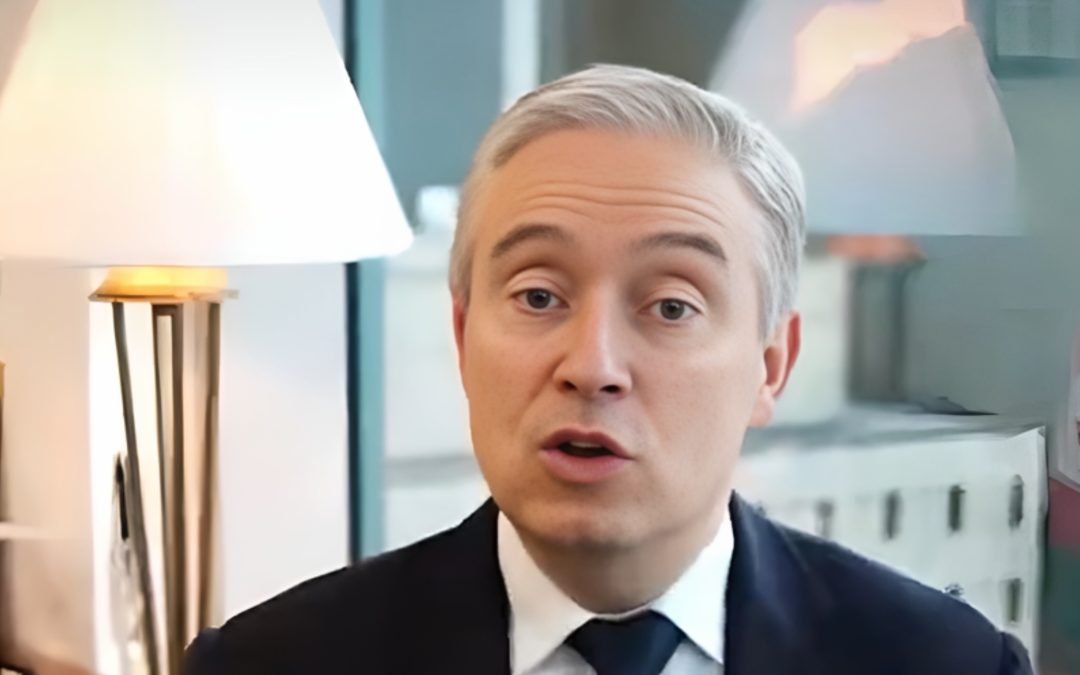
François Philippe Champagne, the finance minister under prime minister mark carney, released on 6 april 2026 a letter he wrote on 10 september 2025, in which he established a conflict of interest screen because his life partner anne marie gaudet had been hired in august 2025 as vice president of environment at alto, the federal crown corporation responsible for the proposed high speed rail project linking toronto, ottawa, montreal, and quebec city. This screen barred him from any participation in discussions, decisions, debates, or votes concerning alto, except for broad measures affecting many people generally. The letter detailing the screen was sent to prime minister carney and also covered a separate matter involving champagne father gilles champagne and his biotech firm bionest technologies, yet the alto related portion was never publicly posted on the ethics commissioners website until this recent release, which raised immediate questions about transparency and why it took so long to disclose.
Anne marie gaudet assumed her role at alto in august 2025, where her duties include leading environmental strategy, regulatory approvals, impact assessments, and sustainability initiatives for the massive infrastructure endeavor. The project itself carries estimated costs reaching up to 90 billion dollars or more and involves a public private partnership with the cadence consortium that includes entities such as cd pq infra, atkins realis, keolis, sncf voyageurs, and air canada. In november 2025, champagne as finance minister tabled the federal budget that allocated 597 million dollars for the 2025 2026 fiscal year on pre construction activities and 3.9 billion dollars over six years for co development, along with additional funding supports.
Bill c-15, the budget implementation act number one introduced by champagne and passed through parliament with royal assent on 26 march 2026, incorporated provisions to accelerate alto, including amendments to the canada transportation act and the expropriation act that facilitate faster land acquisition with reduced negotiation and hearing requirements. Critics, including conservative leader pierre poilievre and senator denise batters, have labeled the project a boondoggle that wastes taxpayer money, imposes heavy rural land disruption, and offers questionable value amid evolving transportation trends, while highlighting the apparent conflict arising from the ministers direct budgetary role advancing an initiative that employs his partner at a senior level. The timing has drawn particular scrutiny because gaudets hiring preceded the screen, which in turn preceded the budget and legislation that funneled public funds and expedited powers to the very crown corporation in question.
Champagne has maintained that he fully respected the ethics screen and took no part in alto specific matters, yet the finance ministers overarching responsibility for the budget means his office still oversaw the allocation of billions in taxpayer resources to the project, creating perceptions of insufficient separation under the conflict of interest act. No formal finding of a breach has been issued by the ethics commissioner, and the government has defended the recusal as a proactive step while dismissing opposition attacks as politically motivated. Broader patterns in champagne portfolio add to the concerns, as his earlier tenure overseeing sustainable development technology canada revealed governance failures, ineligible funding, and numerous apparent conflicts of interest in cleantech grants that prompted audits, whistleblower complaints, and eventual restructuring of the agency with no criminal charges resulting but ongoing criticism of slow responses and favoritism toward connected entities.
The alto initiative has faced additional backlash for its potential to exceed cost projections, low projected ridership in a changing transport landscape, and the use of extraordinary powers in bill c 15 that critics say limit proper consultation and environmental scrutiny, especially for affected rural, indigenous, and municipal communities. Private sector involvement through the cadence consortium opens avenues for significant future contracts in construction and operations, raising questions about value for money and indirect benefits to well connected firms, some of which have histories tied to past liberal government dealings. Overall the situation exemplifies recurring issues within the carney liberal government, including heavy reliance on ethics screens for high profile ministers with extensive private or family ties, limited public disclosure, and large scale spending projects advanced with reduced oversight that together erode public trust in the handling of taxpayer dollars without delivering proven accountability or fiscal prudence.
LIKE OUR WORK?
Recent Comments