FEATURED HEADLINE
Patrick Pichette is a well-connected former Google executive who later joined a Montreal venture capital firm called Inovia. That firm put a large amount of money into a Toronto artificial intelligence company called Cohere and Pichette sat on Cohere’s board. While he still held those interests he was put on a government advisory group that was supposed to help shape Canada’s AI policy. In his written advice to the government he openly recommended that Ottawa pick Cohere as the country’s main AI champion and give it large government contracts so the company could grow. He noted his personal conflict but still made the recommendation.
A short time later Mark Carney’s government announced it would put up to 1.6 billion dollars of public money into Cohere by buying an ownership stake. That announcement helped push the company’s value far higher, which is good for the earlier private investors including Inovia. Pichette had already given the maximum allowed donation to Carney’s Liberal leadership campaign. Carney then appointed Pichette to run the new federal agency that is supposed to handle the government’s own technology purchases and AI tools. That agency decides how Ottawa spends money on digital systems and is meant to favour Canadian AI companies. Pichette has said he stepped down from the venture firm and its boards and that remaining interests sit in a blind trust, but he has not given a clear public answer about whether every personal stake was fully sold before he took the job that controls the buying decisions.
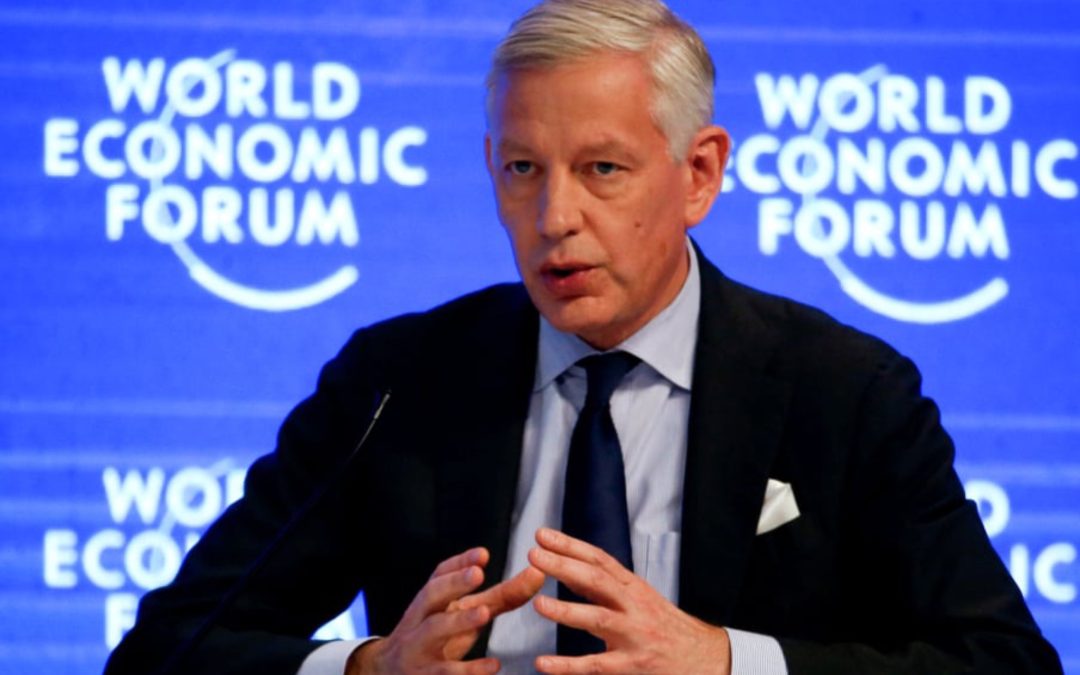
The same small circle keeps appearing around these decisions. Dominic Barton, another former McKinsey executive and Carney’s choice to chair the agency that attracts foreign investment, is a partner at a different venture firm called Radical Ventures. Radical was one of the earliest and biggest private investors in Cohere. Barton has also worked as a strategic counselor for Eurasia Group, the political consulting firm where long-time Liberal insider Gerald Butts has been involved. Barton’s own past roles include being Canada’s ambassador to China, and his personal and business ties have repeatedly raised questions about overlapping interests whenever he has taken public positions. Evan Solomon, the minister responsible for AI, is the person who put Pichette on the advisory group and later stood beside Carney when the 1.6 billion dollar stake was announced.
The pattern is that people who already owned pieces of Cohere, or sat on its board, or advised the government to pour public contracts and money into it, keep turning up in the senior government jobs that oversee technology buying and investment policy. The public money raises the value of the company those same people had already backed. Formal rules and screens are said to be in place, yet the sequence of private investment, public recommendation, large taxpayer equity injection, and then appointment to the agency that spends on the same technology is hard to ignore. Full details of who still holds what, and exactly when any sales happened, have not been made clear. That is the situation Dan Mazier highlighted.
LIKE OUR WORK?