FEATURED HEADLINE
The Universal Broadband Fund is a $3,225,000,000 program launched by the Government of Canada to provide high speed internet access of at least 50 megabits per second download and 10 megabits per second upload to households in rural, remote, and Indigenous communities where private investment lacks a strong business case. The fund forms a key part of the broader Connectivity Strategy aiming for 98 percent national coverage by the end of 2026 and full coverage by 2030. As of July 2024 the funded projects had reached 264,000 households representing 33 percent of the 800,000 household target set for March 2027 with only 22 percent of targeted Indigenous households served to date.
Telesat stands as the largest single beneficiary through substantial government backing for its Lightspeed low Earth orbit satellite constellation project intended to serve remote and Arctic regions. The Government of Canada provided a $2.14 billion loan to Telesat Lightspeed while the Government of Quebec contributed a $400 million loan for a combined total of $2.54 billion in public financing. This support includes government warrants for equity stakes and earlier capacity agreements such as a $600 million arrangement to secure satellite capacity for internet service providers. Telesat uses these funds for satellites, launches, ground stations, and related infrastructure with commercial service expected in the late 2027 to early 2028 timeframe following delays. Partnerships include Northwestel for projects in Nunavut and other northern areas where Telesat capacity helps deliver service to thousands of households.
Other major corporate recipients include Xplore which received awards such as $63 million in Alberta for serving over 8,800 households and $70 million in Newfoundland and Labrador for nearly 29,000 households. Bell Canada secured funding including $23.8 million in Newfoundland and Labrador along with significant Ontario fiber projects. Telus obtained $65.5 million for northern Alberta projects serving over 2,500 households. Rogers received support for Ontario fiber builds reaching tens of thousands of households. Additional recipients encompass Bragg Communications known as Eastlink, Cogeco, smaller internet service providers, municipalities such as Yellowhead County and Clearwater County in Alberta, and Indigenous groups including various First Nations and cooperatives. Hundreds of projects nationwide involve fiber, fixed wireless, and satellite elements with funding disbursed as grants, contributions, or reimbursements after project milestones and audits.
Daniel S. Goldberg serves as President and Chief Executive Officer of Telesat since 2006. His compensation includes an annual base salary of approximately $1.466 million along with substantial incentives and equity awards. In 2021 his total package reached values exceeding $64 million heavily weighted toward stock awards initially valued at over $53 million with independent valuations suggesting even higher figures up to $87 million. These equity holdings tie his personal financial outcomes to company performance bolstered by the public funding and project advancements. Mark H. Rachesky, founder and Chief Investment Officer of MHR Fund Management, acts as Chairman of the Telesat board and holds significant influence through his firm's approximately 36 percent ownership stake. The Public Sector Pension Investment Board maintains an approximately 37 percent stake as a major institutional shareholder with government ties through public pension management.
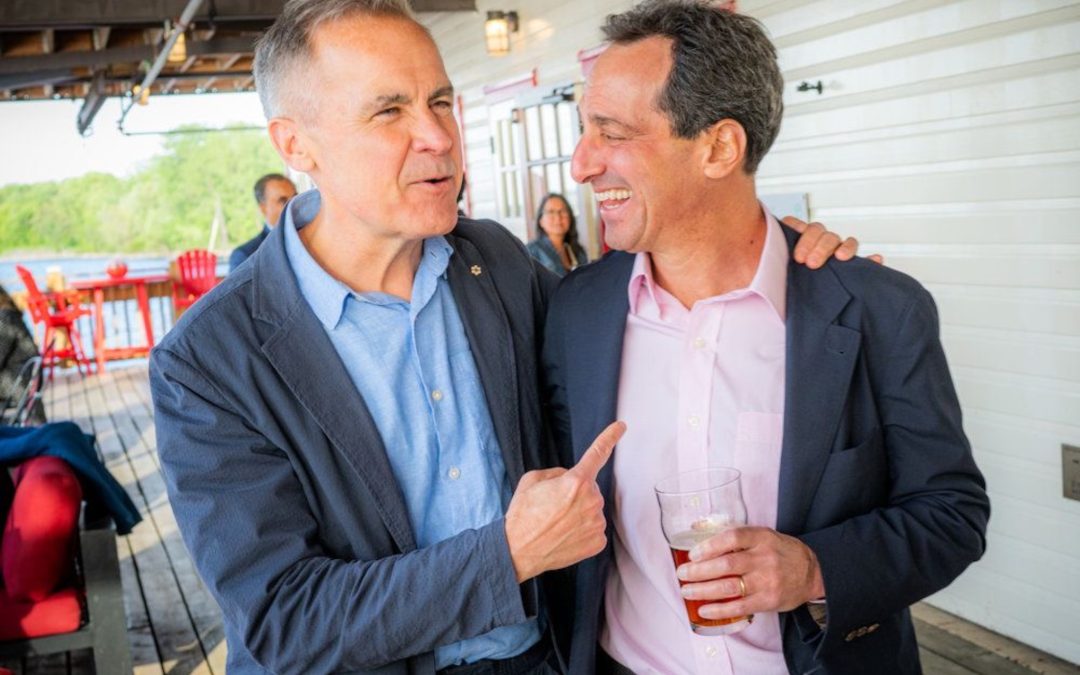
Mark Carney, former Governor of the Bank of Canada and the Bank of England, maintains a long standing personal friendship with Daniel S. Goldberg dating back over 15 years when their children played in the same preschool soccer league in Ottawa. This connection has been noted in discussions around Telesat funding though Goldberg has stated that Carney had no involvement in the loan decisions. The funding supports company operations, executive compensation packages, and shareholder value for entities including Telesat leadership, major investors such as MHR Fund Management and the Public Sector Pension Investment Board, as well as executives at recipient companies like Bell Canada, Rogers, and Telus who benefit from expanded rural infrastructure and associated revenues. Funds ultimately pay for construction, equipment, labor, contractors, suppliers, and operational costs with results varying by project location and timeline.
ADVERTISE HERE
Recent Comments